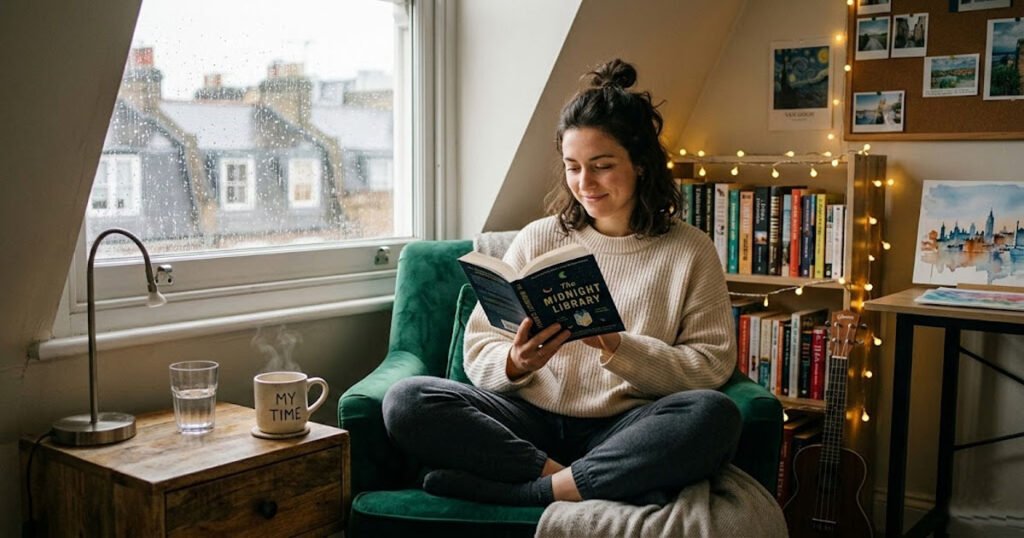
Not long ago, being single was seen as a temporary condition — something to fix, a phase to outgrow. Society had a clear script: meet someone, settle down, get married, have children. However, a quiet but powerful revolution is underway. Millions of people around the world — educated, financially independent, emotionally self-aware — are actively choosing the solo lifestyle, not as a last resort, but as a deliberate, fulfilling choice. Moreover, this is not a niche trend. It is reshaping cities, economies, housing markets, and cultural norms globally.
Therefore, in this article, we will explore why so many people are choosing to stay single, what the solo lifestyle actually looks like in practice, the real benefits and challenges it brings, and what this sweeping cultural shift means for society as a whole.
What Is the Solo Lifestyle?
The solo lifestyle refers to a conscious choice to live independently — without a romantic partner — as the primary structure of one life. Furthermore, it is important to distinguish this from loneliness or giving up on love. Many people who embrace the solo lifestyle have rich social lives, deep friendships, fulfilling careers, and even active romantic or dating lives. However, they choose not to build their life around a committed partnership or cohabitation.
In addition, the solo lifestyle is not the same as being lonely or socially isolated. In fact, research shows that many single-by-choice individuals report higher levels of personal freedom, self-development, and life satisfaction than people in unhappy or mediocre relationships. As a result, the concept of singlehood is being fundamentally redefined in the 21st century.
Why Are More People Choosing to Stay Single?
The reasons behind the rise of the solo lifestyle are complex, deeply personal, and shaped by broader social, economic, and cultural forces. Therefore, let us examine the most significant drivers of this trend.
1. The Pursuit of Personal Freedom
For many people, the solo lifestyle represents the ultimate expression of personal autonomy. Without the need to compromise on where to live, how to spend money, what career to pursue, or how to spend a Saturday morning, solo individuals can design their life entirely around their own values, ambitions, and rhythms. Moreover, in an era that increasingly celebrates individualism and self-actualization, this freedom is enormously appealing to a growing number of people.
2. The High Cost of Bad Relationships
Divorce rates, relationship dissatisfaction surveys, and the growing visibility of toxic relationship dynamics through social media have made many people deeply cautious about committing. Furthermore, watching parents go through painful divorces or growing up in conflict-filled households has left many Millennials and Gen Z individuals questioning whether traditional partnership models are worth the emotional risk. Consequently, staying single feels not like giving up — but like a rational, self-protective choice.
3. Economic Independence — Especially Among Women
Perhaps no single factor has done more to fuel the solo lifestyle trend than women economic independence. Historically, marriage was often an economic necessity for women. However, as women have entered the workforce in record numbers, closed the pay gap in many sectors, and built their own financial security, the economic incentive to partner up has significantly diminished. As a result, women today have the freedom to choose partnership on emotional terms alone — and many are deciding that the terms on offer are not good enough.
4. Rising Standards and the Paradox of Choice
Dating apps have given people access to a seemingly infinite pool of potential partners. However, research consistently shows that more choice does not lead to more satisfaction — it leads to paralysis, perpetual searching, and dissatisfaction with whoever you ultimately choose. Furthermore, as people standards for partnership have risen — demanding emotional intelligence, shared values, mutual respect, and genuine chemistry — fewer relationships meet the bar. Consequently, many people find that staying single is preferable to settling.
5. The Stigma Is Finally Fading
For centuries, being single carried significant social stigma — particularly for women. However, cultural attitudes are shifting rapidly. Television, film, social media, and popular culture are increasingly portraying single life as aspirational rather than pitiable. Moreover, solo travel, solo dining, and living alone are no longer viewed as sad or shameful — they are celebrated as confident, intentional choices. As a result, the social cost of choosing the solo lifestyle has dropped dramatically, making it a more accessible option for more people.
The Real Benefits of the Solo Lifestyle
Far from being a life defined by absence, the solo lifestyle offers a range of genuine, well-documented benefits that are attracting people who have actively experienced both sides of the equation.
- Complete Schedule Autonomy: Solo individuals can structure their time entirely around their own energy, priorities, and desires — without negotiation, compromise, or guilt.
- Stronger Friendships: Research from the University of Oxford found that single people tend to invest more deeply in friendships and social networks. Moreover, they report higher levels of social connection than many married people who become isolated within their partnership.
- Faster Personal Growth: Without the comfort and complacency that can come with a long-term relationship, solo individuals are often pushed to develop greater self-reliance, emotional intelligence, and resilience. Furthermore, they tend to pursue education, hobbies, and new experiences more actively.
- Financial Control: Solo living gives individuals complete control over their finances — no joint accounts, no financial disagreements, no shared debt. Consequently, many solo individuals build wealth more deliberately and on their own terms.
- Better Sleep: Studies consistently show that people who sleep alone report significantly better sleep quality. Since sleep is foundational to mental health, physical health, and cognitive performance, this is a non-trivial benefit.
The Challenges of Choosing the Solo Lifestyle
A balanced perspective requires acknowledging that the solo lifestyle, like all lifestyles, comes with real challenges. Therefore, here is an honest look at what solo individuals commonly navigate.
Loneliness and Social Isolation
Even the most content solo individuals experience loneliness at times — during illness, major life events, or simply on quiet evenings. Moreover, without the built-in companionship of a partner, maintaining a rich social life requires consistent, intentional effort. Consequently, solo individuals must actively build and nurture their social networks rather than relying on a default partnership.
Financial Pressures of Single-Income Living
Living alone is expensive. Rent, utilities, groceries, and major life expenses are not shared with a partner. Furthermore, in increasingly unaffordable housing markets across the world, the financial strain of solo living is a significant and practical barrier. As a result, some people who would choose the solo lifestyle feel economically compelled into cohabitation or partnership.
Social Pressure and Family Expectations
Despite changing attitudes, solo individuals — particularly women over 30 and people from traditional cultural backgrounds — still face persistent questions, concern, and judgment from family members and social circles. Moreover, in many cultures, staying single is still viewed as failure or selfishness rather than a valid life choice. Therefore, navigating these social dynamics requires considerable emotional resilience.
The Solo Lifestyle Around the World
The rise of solo living is not confined to any single culture or region. In fact, it is a genuinely global phenomenon, though it takes different forms in different contexts.
- Japan: Japan has one of the highest rates of single living in the world, with a phenomenon called “singlehood boom” driven by grueling work culture, high living costs, and changing gender expectations. Moreover, the government has acknowledged declining birth rates as a national concern directly linked to this trend.
- Scandinavia: Nordic countries have among the highest rates of solo households globally, supported by strong welfare states, high gender equality, and cultural acceptance of alternative lifestyles. Furthermore, solo living is so normalized in Sweden and Denmark that there is minimal social stigma attached to it.
- United States and UK: Single-person households are the fastest-growing household type in both countries. Additionally, Millennial and Gen Z adults are delaying or forgoing marriage at rates that would have been unimaginable a generation ago.
- South Asia and Middle East: While social pressure to marry remains intense in many parts of South Asia and the Middle East, urban educated women are increasingly pushing back, pursuing careers, and delaying or rejecting marriage — often at significant personal and social cost.
Is the Solo Lifestyle Right for You?
The solo lifestyle is not for everyone — and it is not meant to be. However, if you find yourself feeling more energized by your independent life than by the relationships you have experienced, if you have rich friendships and a strong sense of self, and if the idea of designing your life entirely around your own values feels liberating rather than lonely — then the solo lifestyle may not just be acceptable. It may, in fact, be your most authentic path forward.
Moreover, choosing the solo lifestyle does not mean closing the door on love or connection. Many solo individuals have deeply meaningful romantic relationships — they simply structure them differently, without cohabitation or traditional commitment frameworks. As a result, the solo lifestyle is less about rejecting others and more about putting yourself genuinely first.
Conclusion
The rise of the solo lifestyle is one of the most significant cultural shifts of our time. Therefore, understanding it — rather than dismissing it — is essential for anyone trying to make sense of how modern society is evolving. Moreover, whether you are living solo yourself, love someone who is, or are simply curious about why so many people are making this choice, the answer is never as simple as “they could not find anyone.”
In reality, the solo lifestyle represents something far more interesting and far more human: the growing belief that a life fully and authentically lived on your own terms is not a consolation prize. As a result, for millions of people around the world, it is increasingly becoming the most deliberate and meaningful choice of all.
Frequently Asked Questions (FAQs)
Q1: Is choosing the solo lifestyle the same as giving up on love?
Not at all. Many people who embrace the solo lifestyle continue to date, form romantic connections, and experience deep love. However, they choose not to structure their life around cohabitation or traditional committed partnership. Moreover, the distinction is between choosing independence and rejecting connection entirely.
Q2: Is the solo lifestyle linked to increased loneliness?
Not necessarily. Research shows that many solo individuals maintain richer social lives and deeper friendships than people in partnerships who become socially isolated as couples. Furthermore, loneliness is determined by the quality of social connections, not by relationship status.
Q3: Are women more likely to choose the solo lifestyle than men?
Studies suggest that women are increasingly driving the solo lifestyle trend, particularly in developed economies where financial independence has given them genuine choice. Moreover, research shows that women report higher life satisfaction when single than men do in the same circumstances.
Q4: How do solo individuals handle aging and health challenges alone?
This is a legitimate concern. Therefore, many solo individuals proactively build strong support networks of friends, chosen family, and community. Furthermore, financial planning, legal documents like healthcare proxies, and intentional community living arrangements are practical solutions that solo individuals increasingly plan for in advance.
Q5: Is the solo lifestyle trend reversing the traditional family model permanently?
It is certainly challenging it. However, most sociologists suggest that rather than replacing traditional partnership, the solo lifestyle is expanding the range of socially accepted life structures. As a result, people now have genuine choices about how to organize their lives — and that, regardless of which path they choose, is a fundamentally positive development.